
Top 10 Safety Gaps Across Healthcare Today
Throughout the country, healthcare organizations work tirelessly to provide safe, high-quality patient care. Yet even the most dedicated teams can overlook safety and security vulnerabilities—gaps that increase risk for employees, patients, and visitors. While many healthcare leaders focus on clinical quality and patient outcomes, operational and workplace safety risks can be just as impactful.
From physician offices and ambulatory surgery centers to outpatient clinics, hospitals, and specialty practices, all types of facilities face growing challenges, including workplace violence, unauthorized access, emergency preparedness concerns, and environmental safety hazards.
The good news? Many of these risks can be identified and addressed before an incident occurs.
The following are ten of the most common safety gaps identified in healthcare facilities and outpatient care settings today:
1. Uncontrolled Access to Clinical Areas
Many healthcare facilities assume that because they are not hospitals, they face a lower security risk. However, unauthorized access remains one of the most common vulnerabilities found during safety assessments.

Propped-open doors, unlocked staff entrances, tailgating through badge-access doors, and unrestricted vendor or delivery access can allow individuals to enter clinical areas without authorization. What’s more, after-hours entry points can present additional concerns if access controls are not routinely reviewed and maintained.
Controlling access does not mean creating barriers to care. Rather, it means ensuring that only authorized individuals can enter patient care and staff-only areas. Regular reviews of access points, visitor management procedures, and employee badge access can significantly reduce risk.
LHA Trust Funds helps organizations identify access control vulnerabilities through facility walkthroughs, security observations, and risk assessments that are tailored to the healthcare environment.
2. Inadequate Front Desk Protection
Front desk personnel often serve as the first point of contact for patients, family members, visitors, and vendors. They are also frequently the first employees exposed to frustrated or aggressive individuals.
Many practices lack basic safeguards such as panic buttons, visitor management procedures, reporting protocols, or workspace layouts that reinforce employee safety. In some facilities, staff members may have no safe exit route if an encounter escalates.
A well-designed reception area should provide employees with the ability to summon assistance, maintain appropriate physical separation when needed, and exit safely without moving toward an escalating individual.
LHA Trust Funds helps organizations implement environmental and procedural changes that can significantly improve employee confidence and workplace safety.
3. Poor Visibility and Environmental Blind Spots
The physical environment can either enhance or hinder situational awareness. Poor lighting, obstructed sightlines, crowded waiting areas, poorly positioned furniture, and inadequate camera coverage can create blind spots where concerning behaviors go unnoticed.
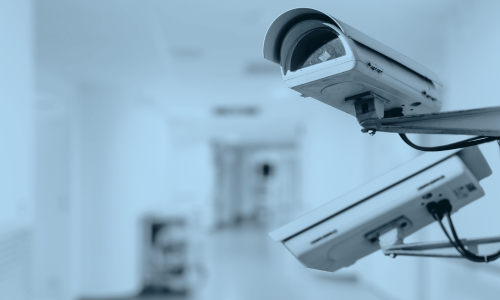
This can occur in places like:
- Parking lots
- Hallways
- Waiting areas
- Entrances
- Exam rooms
Simple environmental design changes can significantly improve staff awareness and response time. When staff can see what is happening around them, they are better equipped to maintain a safe environment for everyone in the facility.
LHA Trust Funds helps organizations identify ways to improve lighting, reposition furniture, enhance camera placement, and create clear lines of sight to respond more effectively.
4. Limited De-escalation Training
Healthcare professionals routinely manage emotionally charged situations. Patients may be experiencing pain, anxiety, financial stress, mental health challenges, or frustration related to their care experience.
Despite this reality, many employees receive little formal training on how to recognize and respond to escalating behavior. Effective de-escalation training teaches staff how to:
- Identify warning signs of agitation
- Utilize trauma-informed communication techniques
- Establish professional boundaries
- Respond confidently during difficult interactions
Without these skills, employees may unintentionally escalate situations or feel unprepared to intervene safely. Regular education and annual refresher training help reinforce these skills while building a culture of confidence and preparedness.
LHA Trust Funds helps organizations by offering workplace violence education, staff training resources, and continuing education opportunities through CHER®, including Management of Aggressive Behavior (MOAB) training designed specifically for healthcare environments.
5. Lack of Exam Room Escape Strategies
Many providers spend years practicing medicine without ever considering how exam room layouts affect personal safety. In fact, many never realize that room setup can directly impact personal safety until they experience a concerning encounter firsthand.

In some exam rooms, physicians, nurses, or advanced practice providers may unknowingly position themselves between a patient and the exit. While most patient encounters are routine, difficult conversations involving diagnoses, treatment disagreements, behavioral concerns, or emotionally charged situations can increase risk.
LHA Trust Funds helps organizations by guiding room configuration, furniture placement, and provider positioning to help staff maintain awareness and preserve a clear path to the exit when appropriate.
6. Underutilized Security Technology
Healthcare organizations continue to invest in security technology, but technology alone does not create safety. Staff familiarity and response planning do.
Security cameras, panic buttons, badge access systems, and emergency communication tools are only effective when employees understand how to use them, and organizations regularly test their functionality.
Common issues include:
- Cameras that are rarely or never monitored
- Expired badge access permissions
- Panic systems that employees are unfamiliar with
- Emergency procedures that have never been practiced
LHA Trust Funds helps organizations conduct routine testing, employee training, and periodic reviews to help ensure these tools perform as intended during an emergency.
7. No Formal Workplace Violence Prevention Program
Workplace violence continues to be one of the most significant safety concerns facing healthcare organizations today. Without a formal workplace violence prevention program, incidents may be handled inconsistently, concerns may go unreported, and opportunities for improvement may be missed.
According to industry research, many workplace violence incidents in healthcare are never formally reported at all, making it difficult for organizations to identify patterns and implement meaningful prevention strategies.
To be prepared, organizations should establish:
- Clear definitions of workplace violence
- Reporting expectations
- Response procedures
- Follow-up processes
A strong program also encourages a culture where employees feel comfortable reporting concerning behaviors before they escalate.
LHA Trust Funds helps organizations develop a comprehensive workplace violence prevention program specific to their team. This approach is increasingly viewed as a best practice for healthcare organizations of all sizes.
8. Inconsistent Incident Reporting
When near misses and concerning behaviors go undocumented, healthcare leaders are less likely to identify early warning patterns. Today's near miss may become tomorrow's serious event if those patterns are overlooked.

Employees may dismiss concerning behaviors because "nothing happened," or they may hesitate to report incidents due to fear of blame, retaliation, or the perception that reporting will not lead to action.
However, near misses often provide valuable information about emerging risks. Repeated behavioral concerns, verbal threats, boundary violations, or security issues may reveal patterns that warrant intervention before a serious event occurs.
LHA Trust Funds helps organizations encourage reporting amongst staff and consistently review incident trends, so they are better positioned to proactively address risk.
9. Weak High-Risk Scenario Planning
Healthcare organizations often prepare for clinical emergencies but spend less time preparing for operational situations that can quickly become volatile, such as:
- Patient dismissals
- Custody disputes
- intoxicated visitors
- Billing disagreements
- Disgruntled family members
- Employee terminations
Situations like these can lead to heightened emotions and potential safety concerns. Without defined response procedures, staff may be forced to make critical decisions under pressure with little guidance.
Tabletop exercises allow healthcare teams to walk through challenging scenarios in a controlled environment, identify gaps, and strengthen response plans before an actual event occurs.
LHA Trust Funds helps organizations improve communication, increase employee confidence, and support more effective decision-making during high-stress situations.
10. Limited Emergency Preparedness
Emergency preparedness extends far beyond fire drills and severe weather plans. Healthcare organizations must be prepared to respond to a variety of potential emergencies:
- Lockdown situations
- Active threats
- Evacuations
- Utility failures
- Severe weather events
This includes internal coordination with local emergency responders. Yet many facilities lack formal training, drills, or communication plans that address these scenarios.
Recent hurricane seasons have highlighted the importance of preparedness across Louisiana. While organizations often focus on storm readiness, the same principles apply to broader safety planning. Clear communication, defined roles, regular exercises, and coordinated response efforts are essential regardless of the emergency.
LHA Trust Funds helps organizations plan for a variety of emergency types so teams can respond more effectively, reduce confusion during critical events, and support the safety of patients, visitors, and employees.
Your Partner in Comprehensive Healthcare Safety
Closing safety gaps does not require turning physician offices or outpatient facilities into fortresses. However, it does require awareness, proactive planning, and a commitment to continuous improvement.
At LHA Trust Funds, we work alongside healthcare organizations to identify vulnerabilities and develop practical solutions that support safer environments for both patients and staff. Our services and resources include:

- Risk assessments
- Workplace violence education
- Patient safety resources
- Staff training
- CHER continuing education
- Emergency preparedness guidance
- Incident trend analysis
- Louisiana-specific healthcare expertise
Because we focus exclusively on Louisiana healthcare organizations, we understand the unique risks providers and facilities face here. By identifying risks early and addressing vulnerabilities proactively, healthcare organizations like yours can create environments where employees feel safer, patients receive better care, and everyone is prepared for the challenges ahead.